Summer break offers kids a chance to step away from the classroom, but that time away does not have to mean learning stops. Summer camp experiences provide an environment where children continue developing important skills while having fun and building confidence. From social growth to hands-on learning, camps offer opportunities that support both personal and academic development in ways that feel natural and engaging.
Rather than focusing on tests or grades, camp settings encourage curiosity, creativity, and independence. Kids can explore interests, try new activities, and form relationships outside their usual routines.
These experiences often leave a lasting impact that carries into the school year and beyond.
Building Social Skills and Confidence
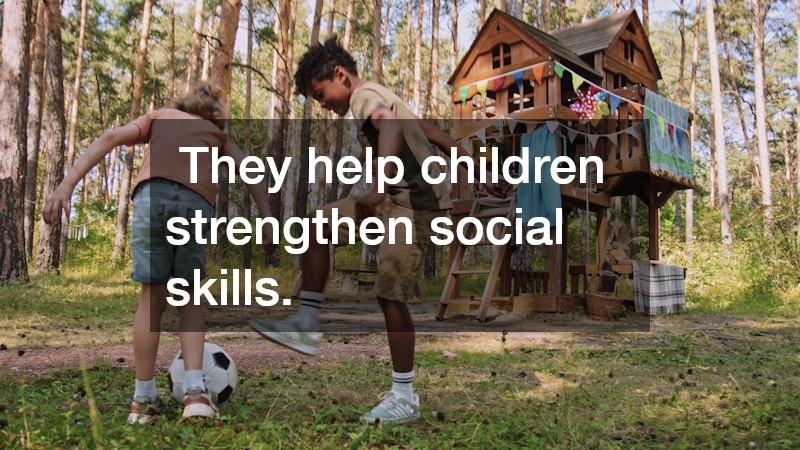
One of the most noticeable benefits of summer camps is how they help children strengthen social skills. Camp environments place kids in group settings where cooperation, communication, and teamwork are essential. Whether they are working together on a project, playing games, or participating in group challenges, kids learn how to interact with others in positive and productive ways.
Meeting new peers also helps children step outside their comfort zones. Making friends in a new setting teaches adaptability and resilience, especially for kids who may be shy or hesitant in unfamiliar situations. Over time, repeated social interactions build confidence and help children feel more comfortable expressing themselves.
Leadership skills often develop naturally at camp as well. Group activities frequently require kids to take turns leading, problem-solving, or offering support to others. These moments encourage responsibility and help children recognize their strengths, which can boost self-esteem long after camp ends.
Encouraging Independence and Responsibility
Time away from home allows kids to practice independence in a supportive environment. Even day camps give children a sense of autonomy by allowing them to make choices, manage personal belongings, and follow daily schedules. These small responsibilities help kids feel capable and trusted.
Counselors and instructors play an important role by guiding children without doing everything for them. Kids learn to solve minor problems on their own, ask for help when needed, and adapt to new routines. These experiences help prepare them for future situations that require independence, such as school transitions or extracurricular activities.
Responsibility also comes into play through shared rules and expectations. Camp settings emphasize accountability, whether that involves cleaning up after activities, respecting others, or following safety guidelines. These lessons reinforce important life skills in a way that feels practical rather than forced.
Supporting Learning Through Hands-On Experiences
Learning at camp often looks different from traditional classroom instruction, but it is just as valuable. Many programs incorporate hands-on activities that encourage critical thinking, creativity, and exploration. Art projects, science experiments, outdoor challenges, and group problem-solving tasks all help children learn by doing.
This approach can be especially helpful for kids who struggle with conventional learning methods. Experiential activities allow them to engage with new concepts in ways that feel exciting and approachable. As a result, learning becomes something kids look forward to rather than something they feel pressured to complete.
Exposure to new interests is another benefit. Through summer camps, children may discover hobbies or skills they had not previously considered, such as coding, theater, sports, or environmental education. These experiences can spark long-term interests and influence future academic or extracurricular choices.
Promoting Physical and Emotional Well-Being
Physical activity is a core component of many camp programs. Games, sports, swimming, and outdoor exploration encourage kids to stay active while enjoying themselves. Regular movement supports physical health and helps children develop coordination, strength, and endurance.
Emotional well-being is equally important. Camp environments often emphasize inclusion, encouragement, and positive reinforcement. Kids learn how to manage emotions, handle setbacks, and celebrate achievements, both big and small. These lessons help children build resilience and emotional awareness.
Spending time outdoors can also reduce stress and improve mood. Nature-based activities offer a welcome respite from screens and structured routines, enabling kids to unwind while remaining engaged. This balance supports overall mental health and helps children return home feeling refreshed.
Creating Lasting Memories and Life Skills
Beyond measurable skills, camp experiences create memories that children carry with them for years. Shared experiences, challenges overcome, and friendships formed all contribute to a sense of accomplishment and a sense of belonging. These memories often shape how kids view themselves and their abilities.
Life skills learned at camp extend into everyday situations. Communication, teamwork, adaptability, and problem-solving are all skills that benefit children in school, at home, and in future activities. Summer camps provide a setting where these skills develop naturally through experience rather than instruction alone.
Parents often notice positive changes after camp ends. Increased confidence, improved social behavior, and a greater willingness to try new things are common outcomes. These changes highlight the lasting impact that camp experiences can have.
Summer camp offers much more than entertainment during school breaks. Through social interaction, hands-on learning, and personal growth, kids gain skills that support their development in meaningful ways. Time spent at camp encourages independence, builds confidence, and helps children discover new interests while staying active and engaged.