

Between school schedules, work deadlines, and everyone’s individual hobbies, quality family time can feel like an afterthought squeezed into whatever hours are left. Weekends offer a natural reset button, a chance to slow down and reconnect without the pressure of a Tuesday night to-do list. The good news is that strengthening family bonds does not require an elaborate vacation or a big budget, just intentional planning around activities everyone can enjoy together. This outline walks through practical, achievable weekend ideas that turn ordinary Saturdays and Sundays into moments your family will actually remember.
Turning Your Backyard Into a Weekend Gathering Spot
Your own backyard is one of the most underused resources for family bonding, especially if it has been sitting unused since the last barbecue. A weekend spent transforming that space into a place people actually want to gather can pay off for years to come. For families who have been debating a bigger investment, working with a pool builder to design a modest, low-maintenance pool can turn hot summer weekends into built-in family time without needing to leave the house.
Beyond water features, small touches make a big difference in how often the space gets used after dark. Installing outdoor lighting along pathways, decks, and seating areas extends the hours a backyard is usable, which means more evening conversations, more cookouts, and fewer excuses to stay inside on a screen. These upgrades do not need to happen all at once; even one weekend project at a time adds up.
- String lighting over a patio creates an inviting spot for family dinners outside
- A small above-ground pool can offer many of the same bonding benefits as a full in-ground installation
- Solar path lights are a low-cost way to make backyards safer at night
- Comfortable seating encourages longer, more relaxed conversations outdoors
Getting Everyone Moving With Shared Physical Activities

Physical activity is a natural bonding tool because it gives families something to work toward together, whether that is a personal best or simply finishing a session without complaining. Weekend mornings are a great time to explore activities that build confidence and coordination in kids while giving parents a front-row seat to their progress. Enrolling children in gymnastics classes on weekends, for example, gives families a shared routine to look forward to and plenty to celebrate when a new skill finally clicks.
Structured physical activities also teach discipline in a way that spills over into other areas of life, including chores, homework, and how kids treat each other at home. A karate school can be a great fit for families looking for something with a stronger focus on respect, patience, and self-control alongside the physical benefits. Watching a child work toward the next belt level often becomes a family event in itself, with parents and siblings cheering from the sidelines.
- Weekend classes free up weekday evenings for homework and rest
- Watching siblings support each other during practice builds empathy
- Progress markers like belts or skill badges give families something to celebrate together
- Physical activity on weekends often improves sleep and mood for the whole household
Making Mealtime Together a Weekend Tradition
Sitting down for a meal without rushing is one of the simplest ways to reconnect, yet it often gets lost during busy weeks. Weekends are the ideal time to slow down and make eating together a priority again, whether that means a big breakfast at home or heading out somewhere new. Many family restaurants are designed with this exact goal in mind, offering kid-friendly menus, activity sheets, and enough space for a larger group to spread out and relax.
Trying a new restaurant together also gives families a low-pressure way to talk about food preferences, cultures, and traditions in a way that feels like an adventure rather than a lesson. Making this a regular Saturday or Sunday habit gives kids something predictable to look forward to each week. Over time, these outings often become some of the most fondly remembered parts of childhood, simply because they happened so consistently.
- Rotating between a few favorite spots gives kids a sense of familiarity and choice
- Ordering family style encourages sharing and conversation
- Trying international cuisine together opens the door to talking about other cultures
- A regular weekend meal out can double as a reward for good behavior or effort during the week
Prioritizing Health Together as a Family Habit

Taking care of everyone’s health is easier to stay on top of when it becomes a shared weekend responsibility rather than something squeezed in during a rushed weekday. Scheduling routine checkups for the whole family on the same weekend can cut down on missed appointments and last-minute scrambling. A family dentist who sees children and adults alike often makes this even easier, since everyone can be seen in the same visit or on the same day, saving time and reducing the anxiety kids sometimes feel about going alone.
Making these appointments feel normal rather than stressful is part of what keeps kids comfortable with routine care as they grow older. Turning the appointment into part of a bigger weekend plan, followed by a fun outing afterward, helps reframe it as just another part of the family routine instead of something to dread. This approach also models good habits that children are likely to carry into adulthood.
- Scheduling back-to-back appointments for siblings saves time and reduces waiting
- Pairing checkups with a fun activity afterward reduces anxiety around visits
- Consistent care builds familiarity and trust with the same provider over time
- Talking openly about checkups helps normalize health care conversations at home
Turning Yard Work Into a Family Project
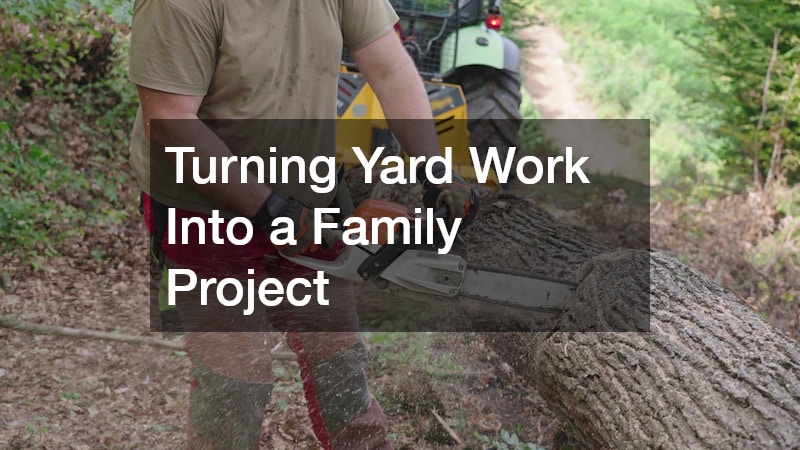
Not every bonding activity has to be purely fun on the surface; working together on a shared project can be just as meaningful, especially when everyone gets to see the results. A weekend spent improving the yard, even in small ways, teaches kids responsibility while giving the whole family a sense of accomplishment. Assigning age-appropriate tasks, like letting younger kids handle watering while older ones tackle raking or planting, keeps everyone invested in the outcome rather than just watching from the sidelines.
For families dealing with patchy, worn-out grass, professional sod installation can transform a yard in a single weekend, giving everyone a fresh, usable space to enjoy right away instead of waiting months for seed to grow in. Most installations take just a few hours depending on yard size, and many companies offer weekend scheduling specifically so families can be present to watch the transformation happen and pitch in on final touches like edging or the first watering.
Beyond sod, there are plenty of smaller projects that fit the same spirit: building a raised garden bed, repainting a fence, or setting up a small vegetable patch are all manageable in a weekend and scale easily to different budgets and skill levels. Whatever the project, involving kids in the before-and-after comparison, snapping photos at the start and end of the day, reinforces the sense of shared achievement and gives them something tangible to point to later. That visible payoff is often what makes yard work feel less like a chore and more like a family win.
Bigger yard projects sometimes involve safety considerations that are worth handling before the fun begins. If a large or damaged tree is taking up space, blocking light, or showing signs of disease like cracked bark or hollow trunks, arranging for professional tree removal ahead of a planned yard overhaul clears the way for new landscaping. It also reduces the risk of falling limbs during storms, which can turn a weekend project into a costly repair job later.
Once the space is cleared, the actual project planning becomes a great opportunity to get everyone involved. Sit down as a family with a simple sketch of the yard and let each person mark where they’d like a garden bed, a seating area, or even a small vegetable patch. Assigning age-appropriate tasks, such as younger kids choosing flower colors while older ones handle measuring or digging, keeps everyone engaged without anyone feeling overwhelmed.
Involving kids in the planning, even just picking out new plants or helping rake, gives them ownership over the space they helped create. Consider setting aside a small corner just for them, like a mini herb garden or a butterfly-friendly flower patch, so they have something specific to tend and watch grow. Over a few weekends, these small responsibilities can turn into a shared tradition the whole family looks forward to.
- Fresh sod gives an instant, usable lawn within a day, skipping the 4-6 week wait and bare-patch risk that comes with reseeding
- Removing dead, leaning, or storm-damaged trees before spring or hurricane season lowers the risk of fallen limbs damaging roofs, fences, or power lines
- Letting kids choose a few plants, flowers, or a small garden bed builds ownership and teaches basic responsibility like watering schedules
- Assigning age-appropriate tasks — younger kids spreading mulch, teens handling a rake or wheelbarrow — keeps everyone engaged without overwhelming anyone
- Setting a simple weekend goal, like finishing one flower bed or one section of fencing, keeps the project from feeling endless
- A finished yard project creates a shared space — a patio, garden, or play area — the whole family can enjoy together afterward
Keeping the Home Comfortable and Safe for Family Time
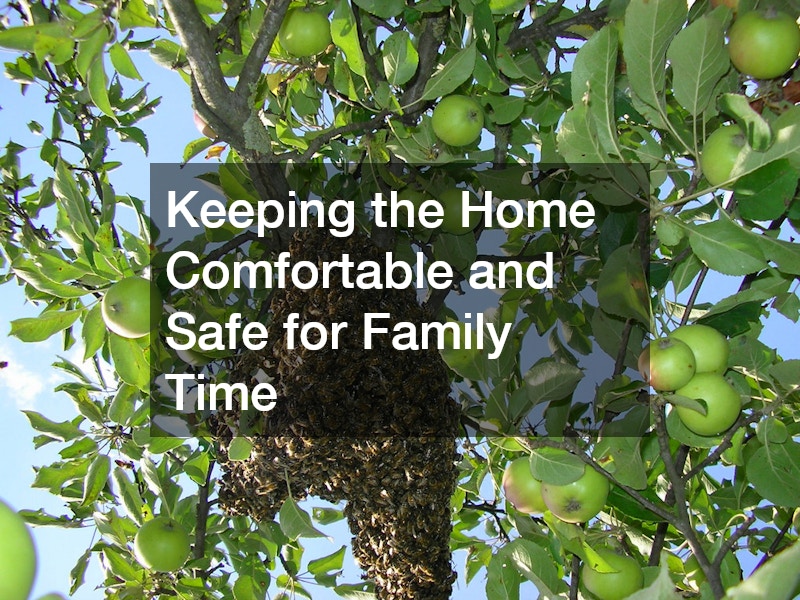
A comfortable, well-maintained home makes it much easier for family members to relax together instead of feeling distracted by nagging maintenance issues. Weekends are a natural time to walk through the house and yard looking for small problems before they grow into bigger ones. Scheduling pest removal at the first sign of ants, rodents, or other unwanted guests keeps the home comfortable and prevents a small nuisance from turning into a recurring source of stress for everyone.
Addressing these issues proactively, rather than waiting for a problem to become obvious, also sets a good example for kids about taking care of a shared living space. A quick weekend inspection of screens, foundations, and storage areas can catch entry points before they become a bigger headache. Making this a low-key family task, rather than a stressful emergency, keeps the focus on comfort rather than crisis.
- Sealing small gaps around doors and windows helps prevent unwanted pests
- Regular seasonal checks catch issues before they become bigger problems
- Keeping food storage areas clean reduces the chances of an infestation
- A pest-free home means less stress and more relaxed family time indoors
Including the Family Pet in Weekend Plans
For many households, the family pet is just as much a part of weekend bonding as any human member, and planning around their needs matters too. A weekend hike, park visit, or backyard game session often becomes more fun with the dog tagging along, and kids especially enjoy taking on pet care responsibilities during these outings. On weekends when travel or busy plans make it hard to bring pets along, using a trusted dog boarding service ensures they are still cared for and comfortable while the rest of the family enjoys time away.
Involving kids in decisions about pet care, whether that is picking a boarding facility or planning a pet-friendly outing, teaches responsibility and empathy in a way that sticks. It also opens up conversations about routines, needs, and care that extend beyond the weekend itself. Even something as simple as a family walk with the dog can become a meaningful, low-cost bonding ritual.
- Pet-friendly parks and trails make for an easy, low-cost weekend outing
- Letting kids help choose a boarding option builds responsibility and trust
- Consistent routines around pet care reduce anxiety for both pets and kids
- Group walks or games with the family dog double as physical activity for everyone
Unplugging With Simple At-Home Traditions
Not every bonding activity needs to happen outside the house or cost money; some of the strongest family traditions are built around simple, repeatable rituals at home. A weekly game night, a Sunday movie tradition, or even a shared cooking project can become something kids look forward to for years. The key is consistency rather than complexity, since predictable rituals give children a sense of security and belonging.
These at-home traditions also give families a chance to talk without distractions, which can be harder to come by during a packed weekday schedule. Rotating who picks the game, movie, or recipe each week gives everyone a sense of ownership over the tradition. Over time, these small rituals often become some of the most requested and remembered parts of childhood.
- Rotating choice each week keeps everyone invested in the tradition
- Cooking together teaches practical skills alongside quality time
- Turning off phones during these rituals helps everyone stay present
- Simple traditions are often remembered more fondly than expensive outings
Planning Ahead to Make Weekends Less Stressful
Even the best weekend plans can fall apart without a little advance preparation, which is why a short planning session earlier in the week can make a real difference. Sitting down as a family on a Wednesday or Thursday to map out Saturday and Sunday activities helps avoid the last-minute scramble that often leads to skipped plans altogether. This is also a good time to confirm appointments, reservations, or activity schedules so nothing gets forgotten once the weekend actually arrives.
Building in some flexibility is just as important as the planning itself, since overscheduling a weekend can create the same stress families are trying to avoid during the week. Leaving open blocks of unstructured time allows for spontaneous moments that often turn into the best memories. A balance of planned activities and free time tends to work better than a jam-packed schedule for most families.
- A quick midweek family meeting helps confirm plans before the weekend arrives
- Leaving gaps in the schedule allows room for spontaneous fun
- Confirming appointments and reservations ahead of time reduces last-minute stress
- Balancing structured activities with downtime keeps weekends feeling relaxed rather than rushed
Strengthening family bonds does not require a perfect plan or an unlimited budget, just a willingness to be intentional with the time you already have. Whether that means trying a new activity, tackling a home project together, or simply sitting down for an unhurried meal, small consistent efforts add up over time. Start by picking just one or two ideas from this list to try this coming weekend, then build from there as you learn what resonates most with your family. The goal is not a flawless schedule, but a home where everyone feels a little more connected by Sunday night.
