Raising a child in today’s fast-paced world presents parents with a unique set of challenges that span physical, emotional, educational, and digital environments. As children grow, their exposure to risks changes, moving from immediate physical dangers around the house to complex social, digital, and environmental influences outside. Addressing these multidimensional factors proactively gives parents peace of mind and equips children with the confidence they need to explore the world around them safely.
Safeguarding the Physical Home Against Structural Hazards
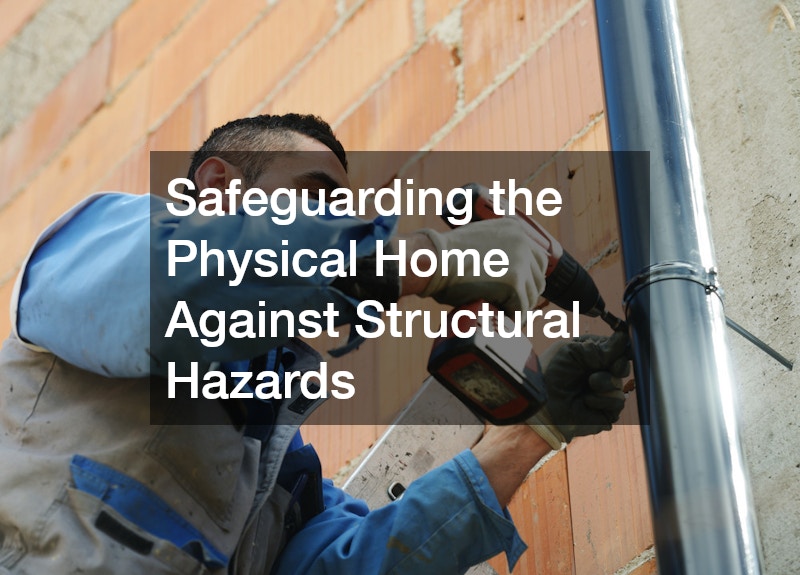
A family’s home should serve as the ultimate safe haven, protecting children from harsh elements and physical hazards. Ensuring the structural integrity of the house is an essential first step in creating a secure living space. Roof leaks, sagging ceilings, or damaged shingles can compromise a home’s shelter, leading to water intrusion, hidden mold growth, or structural collapse during severe storms. Investing in professional residential roofing repairs and regular structural inspections guarantees that the building envelope remains watertight, preventing environmental hazards from threatening your family’s health and safety inside. Furthermore, water saturation weakens timber framing and drywall, increasing the risk of sudden ceiling collapses in high-traffic family areas like bedrooms and playrooms. Scheduling thorough evaluations with licensed contractors ensures that subtle structural defects, damaged underlayment, and loose flashing are addressed before heavy rainfall or high winds breach the home. Maintaining a sound overhead structure safeguards your property value while establishing a secure, dry, and healthy indoor environment where your children can sleep, play, and grow safely without unseen physical risks overhead.
Nurturing Emotional Resilience and Mental Health
Child safety extends well beyond physical protection; supporting emotional health is equally vital for healthy development. Children frequently experience stress, anxiety, life transitions, or trauma that they lack the verbal skills to express. When emotional distress goes unaddressed, it can manifest as behavioral issues or withdrawal. Engaging a qualified specialist in play therapy offers young children a safe, natural medium to express complex feelings, process difficult experiences, and build healthy coping mechanisms through structured creative interaction under expert guidance. Play serves as a child’s natural language, allowing trained counselors to observe non-verbal cues, identify subconscious stressors, and help young patients resolve internal conflicts through guided imaginative activities. Whether a child is processing a major move, parental separation, academic frustration, or the loss of a loved one, dedicated therapeutic support helps them build emotional self-regulation. Early intervention prevents temporary psychological distress from evolving into long-term behavioral disruptions or chronic anxiety disorders. Prioritizing emotional resilience arms children with the psychological tools needed to navigate social pressures, maintain self-confidence, and process life’s challenges in a constructive, healthy manner.
Strengthening Community Boundaries and Neighborhood Protection
A safe home environment relies on the security of the surrounding neighborhood where children play, walk, and socialize. Traffic hazards, unauthorized visitors, and unmonitored entries create constant anxiety for parents who want their children to explore outdoors safely. Neighborhoods that implement modern AI gated community management can automate access control, track vehicular movement, and restrict entry to unauthorized individuals. This advanced oversight drastically reduces neighborhood traffic speeds and prevents trespassing, creating quiet, secure streets where children can ride bikes and play safely. Traditional community entrances often struggle with long entry queues or unmonitored gate bypasses, allowing reckless drivers or unauthorized commercial vehicles to navigate residential streets unchecked. Automated entry technology utilizes intelligent camera recognition, instant digital logging, and automated visitor verification to maintain continuous perimeter security without causing entry bottlenecks. When neighborhood streets remain quiet and securely monitored, parents can comfortably encourage outdoor play, fostering physical fitness, social interaction, and healthy independence among neighborhood children.
Navigating Complex Legal Decisions During Family Transitions
Major family changes, such as parental separation, custody disputes, or legal guardianship adjustments, can create immense instability and stress for a child. During these emotionally charged transitions, prioritizing a child’s best interests and emotional stability is paramount. Working alongside a compassionate family lawyer ensures that custody agreements, support arrangements, and legal protections are structured carefully to minimize emotional disruption, protecting the child’s rights and maintaining a secure, predictable living environment. Legal disputes between parents often place children in the middle of conflicting loyalties, creating intense psychological stress that can affect their performance at school and overall emotional well-being. Protecting a child from high-conflict legal proceedings minimizes long-term emotional trauma, helping them maintain strong, healthy relationships with both parents while adapting to new family dynamics with confidence and stability.
Managing Household Deliveries and Vehicular Safety
The modern household relies heavily on frequent home deliveries for everyday goods, groceries, and essential supplies. However, constant delivery traffic in driveways and residential streets introduces potential safety hazards for young children playing nearby. Partnering with a professional delivery company that prioritizes strict driver safety protocols, secure handling, and scheduled drop-offs minimizes dangerous driveway congestion and ensures that essential household goods arrive safely without introducing unnecessary risks to your residential area. Furthermore, scheduled delivery windows allow parents to anticipate arrival times and keep small children indoors or supervised while large trucks are nearby. Managing residential logistics responsibly reduces neighborhood vehicle traffic, prevents accidental injuries, and maintains a peaceful residential environment where everyday conveniences never compromise child safety.
Securing Digital Spaces and Protecting Online Privacy
As children spend more time learning and socializing online, digital safety has become just as critical as physical security. Cyberbullying, exposure to inappropriate content, and privacy breaches pose constant threats to young internet users. Relying on specialized it managed services allows families and educational institutions to implement robust network security, content filtering, and advanced data protection measures. These professional IT protocols shield children from online predators and malicious cyber threats while teaching them healthy digital citizenship in a controlled environment. The digital landscape exposes young users to complex risks, including phishing scams, data harvesters, and unmonitored social platforms designed to exploit online vulnerabilities. Equipping homes and educational settings with enterprise-grade cyber defenses provides parents and educators with peace of mind, allowing children to harness the educational benefits of the internet safely without falling prey to digital exploitation.
Ensuring Clean Water Access for Long-Term Health
Pure, clean drinking water is fundamental to a child’s physical growth, cognitive development, and overall immunity. Tap water contaminated with heavy metals, microplastics, chlorine, or municipal pollutants can cause chronic health issues over time. Consulting with an established water treatment company ensures that your home is equipped with advanced filtration, softening, or purification systems. Treating water at the point of entry removes harmful contaminants, giving parents complete confidence that their children are consuming safe, pure water every single day. Developing organ systems in growing children are particularly sensitive to trace contaminants like lead, nitrates, and volatile organic compounds often found in municipal or well water supplies. Ingesting chemical impurities over extended periods can impair cognitive development, disrupt hormone regulation, and weaken immune response. Point-of-entry reverse osmosis systems, carbon filtration, and UV sanitizers eliminate chemical pathogens and heavy metals right at the tap. Providing clean, purified water throughout the home protects your child’s physiological health, supports healthy digestion, and ensures that bathing and meal preparation remain entirely free from toxic environmental pollutants.
Supporting Individualized Learning and Developmental Growth
An essential aspect of a child’s safety and well-being involves placing them in educational environments that foster confidence, independence, and critical thinking. Traditional, rigid classroom settings do not always accommodate every child’s unique learning pace, sometimes causing frustration or low self-esteem. Enrolling children in accredited montessori programs offers child-centered, hands-on learning environments that respect individual developmental stages, encouraging self-directed exploration, practical life skills, and strong emotional confidence. Traditional instruction methods can sometimes make children who process information differently feel left behind, leading to academic anxiety and low self-worth. Child-centered educational frameworks empower students to choose learning tasks that match their cognitive readiness, building problem-solving capabilities through tactile materials and collaborative projects. Guided by trained educators, children learn self-discipline, time management, and intrinsic motivation rather than relying on external rewards. Cultivating curiosity within a supportive, pressure-free classroom environment promotes a lifelong love of learning, protecting young students from academic burnout and helping them develop into self-assured, capable thinkers.
Eliminating Harmful Chemicals from Recreational Water
Swimming is a fantastic physical activity for children, but traditional pool maintenance relies heavily on harsh chemical additives that can cause skin irritation, eye damage, or respiratory issues. Exposure to aggressive synthetic pool chemicals can trigger allergies and asthma flare-ups in sensitive young swimmers. Swapping out synthetic additives for organic pool chemicals maintains crystal-clear, sanitary water without exposing children to toxic skin irritants, allowing them to enjoy recreational swimming safely and comfortably year-round. Traditional chlorine treatments often react with organic matter in pool water to form chloramines, which emit strong noxious odors and cause painful eye stinging, dry skin, and severe respiratory irritation. Natural water treatments leverage plant-based minerals, enzymes, and non-toxic sanitizing agents to destroy harmful bacteria and algae without harsh chemical residues. Eliminating synthetic sanitizers protects delicate skin barriers, prevents hair damage, and reduces asthma risks during prolonged swimming sessions. Parents can enjoy peace of mind knowing their backyard pool provides a clean, invigorating space for exercise and recreation that supports physical health without exposing their children to aggressive synthetic compounds.
Enhancing Educational Communication and Campus Oversight
Parents need consistent visibility into their child’s academic progress, attendance, and campus safety protocols to ensure they are thriving at school. Disconnects between home and school can cause parents to miss critical early warning signs regarding academic struggles or behavioral changes. Fragmented communication between teachers and guardians can allow unexcused absences, falling grades, or behavioral changes to slip through the cracks unnoticed. A centralized digital portal and student information system allows parents to review daily assignment submissions, monitor test scores, track attendance records, and receive instant emergency safety updates on their mobile devices. Having immediate access to educational data enables parents to provide timely homework help, address academic challenges early, and coordinate directly with teachers. This seamless administrative oversight establishes a strong partnership between home and school, creating a protective educational safety net that keeps children supported, accountable, and secure throughout their academic journey.
Promoting Physical Fitness and Active Outdoor Recreation
Encouraging children to step away from screens and participate in regular outdoor play is crucial for developing strong motor skills, cardiovascular health, and social bonds. Physical activity helps reduce stress, improves sleep quality, and builds muscular strength. Providing safe, well-maintained play areas, sports equipment, and age-appropriate outdoor activities allows children to push their physical limits safely, build confidence, and develop healthy habits that last a lifetime. Outdoor recreation offers vital developmental opportunities that indoor environments simply cannot replicate, helping children develop spatial awareness, physical balance, and risk-assessment skills. Engaging in group sports or neighborhood play encourages teamwork, negotiation, and conflict resolution, which build social resilience. To maximize safety during active play, parents should inspect playground equipment for rust or sharp edges, ensure children wear protective helmets during cycling, and enforce proper hydration habits. Encouraging outdoor exploration within supervised, well-maintained environments builds physical endurance and mental well-being, steering children toward active lifestyles while keeping physical injury risks to a minimum.
Establishing Strong Family Routines and Open Communication
The true heart of child safety lies in building trust and open communication within the home environment. Children need to feel confident that they can approach their parents with any problem, fear, or mistake without fear of immediate harsh judgment. Establishing predictable daily routines, sitting down for regular family meals, and actively listening to your child’s daily experiences fosters a deep sense of security, ensuring they always turn to family guidance when facing tough real-world challenges. Structured daily schedules offer young people emotional stability, reducing anxiety by creating clear expectations for bedtime, screen use, and study habits. When children feel heard and respected during routine family interactions, they are far more likely to disclose dangerous situations—such as online harassment, peer pressure, or personal struggles—before problems escalate out of control. Cultivating non-judgmental listening habits and emotional openness creates an unbreakable bond of trust. This foundation of family communication serves as your child’s most effective safety net, guiding them through life’s complex social and personal decisions with confidence.
Modernizing Home Fire Safety and Emergency Preparedness
Protecting your household from sudden domestic emergencies requires proactive preparation, functional safety equipment, and clear action plans. House fires, natural gas leaks, and severe electrical faults present immediate life-safety risks that demand constant vigilance from parents. Installing interconnected smoke detectors, carbon monoxide alarms, and easily accessible fire extinguishers across every level of the home creates an indispensable early warning system that protects your family around the clock. Testing alarm systems monthly, replacing backup batteries regularly, and keeping fire extinguishers inspected ensures that early-detection equipment functions flawlessly when every second counts. In addition to hardware installations, teaching children comprehensive fire safety protocols—such as identifying two escape routes from every bedroom, understanding how to crawl low beneath smoke, and establishing a designated family meeting spot outside—transforms panic into decisive, life-saving action during a real emergency. Conducting routine family fire drills builds muscle memory, ensuring that even young children know exactly how to evacuate safely without hesitation. Pair these drills with basic emergency response training, such as dialing emergency services and memorizing home addresses, to arm your children with essential safety knowledge that protects them in any emergency.
Cultivating Healthy Dietary Habits and Nutritional Awareness
Sustaining a child’s physical vitality and long-term wellness requires establishing wholesome nutritional habits early in life. Modern processed foods, excessive sugars, and artificial additives can contribute to energy slumps, behavioral irritability, childhood obesity, and long-term metabolic health issues. Providing balanced meals packed with whole grains, lean proteins, fresh fruits, and nutrient-dense vegetables supplies growing bodies with the essential vitamins required for optimal brain function, bone growth, and immune defense. Involving children in meal planning and grocery selection teaches them valuable nutritional literacy, helping them understand how healthy food choices fuel their bodies for sports, learning, and play. Educating children on reading ingredient labels and recognizing healthy food choices empowers them to make smart dietary decisions independently, whether at school or social gatherings. Furthermore, keeping healthy snacks like fresh fruit, nuts, and cut vegetables accessible at home encourages healthy eating habits over processed alternatives. Prioritizing nutritional health protects your child from preventable chronic illness, balances daily energy levels, and establishes a lifelong foundation of wellness.
When parents approach safety through structured preparation, active listening, and strong community partnerships, they eliminate unnecessary hazards without smothering their child’s natural curiosity. Investing thought and effort into these foundational areas ensures your child matures into a confident, secure, and well-rounded individual ready to navigate the world safely.